Our Story
The day our lives split in two
In June 2022, my husband Scott went in for a routine doctor's appointment.
He'd never been sick. Not once in eighteen years of marriage — not a flu, not a cold, not a sick day he couldn't shrug off. He was the rock. The healthy one. The person who cooked with me on weekends and walked Jack every morning and didn't worry about his body because his body had never given him a reason to.
His ferritin came back at around 1,400. His liver markers were off. Our doctor referred him to a liver specialist at a well-known Houston hospital. We sat across from that specialist hoping for a plan.
Instead, he didn't look at us.
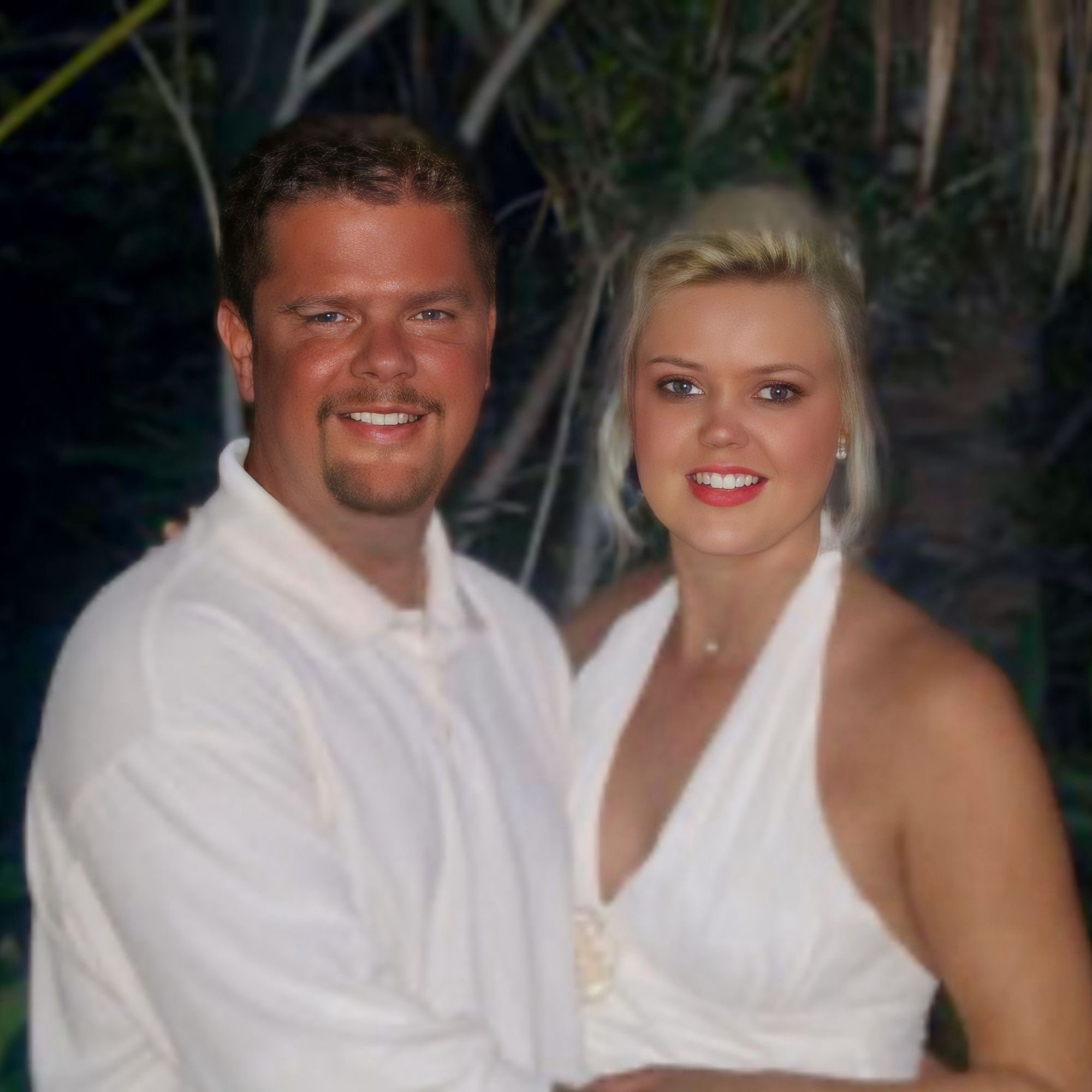
We were just two people in love at sunset… with no idea how much our love would be tested — or how deeply it would grow.
We walked to the car holding hands. I remember staring straight ahead and feeling like my body was about to black out. I remember thinking, If this is really the time we have left, I don't want Scott to miss a single moment of joy.
That became the decision. Not a plan. A decision. Whatever time we had, we were going to spend it choosing love. Choosing gratitude. Choosing joy.
I just didn't know yet that it would also become the decision that saved his life.
Before we knew we needed to be ready
Looking back now, I can see that I had been getting ready for years without knowing it.
I'm Kristy. I'd struggled with stubborn weight in my late 40s and into my 50s. I'd gone vegan for three years. I'd done a 40-day green juice fast. I'd done a 21-day water fast. I'd tried BBBE. I'd taken diet pills. Nothing worked, and the longer nothing worked, the more I kept studying. Hundreds of hours with Dr. Ken Berry and Nurse Neisha.
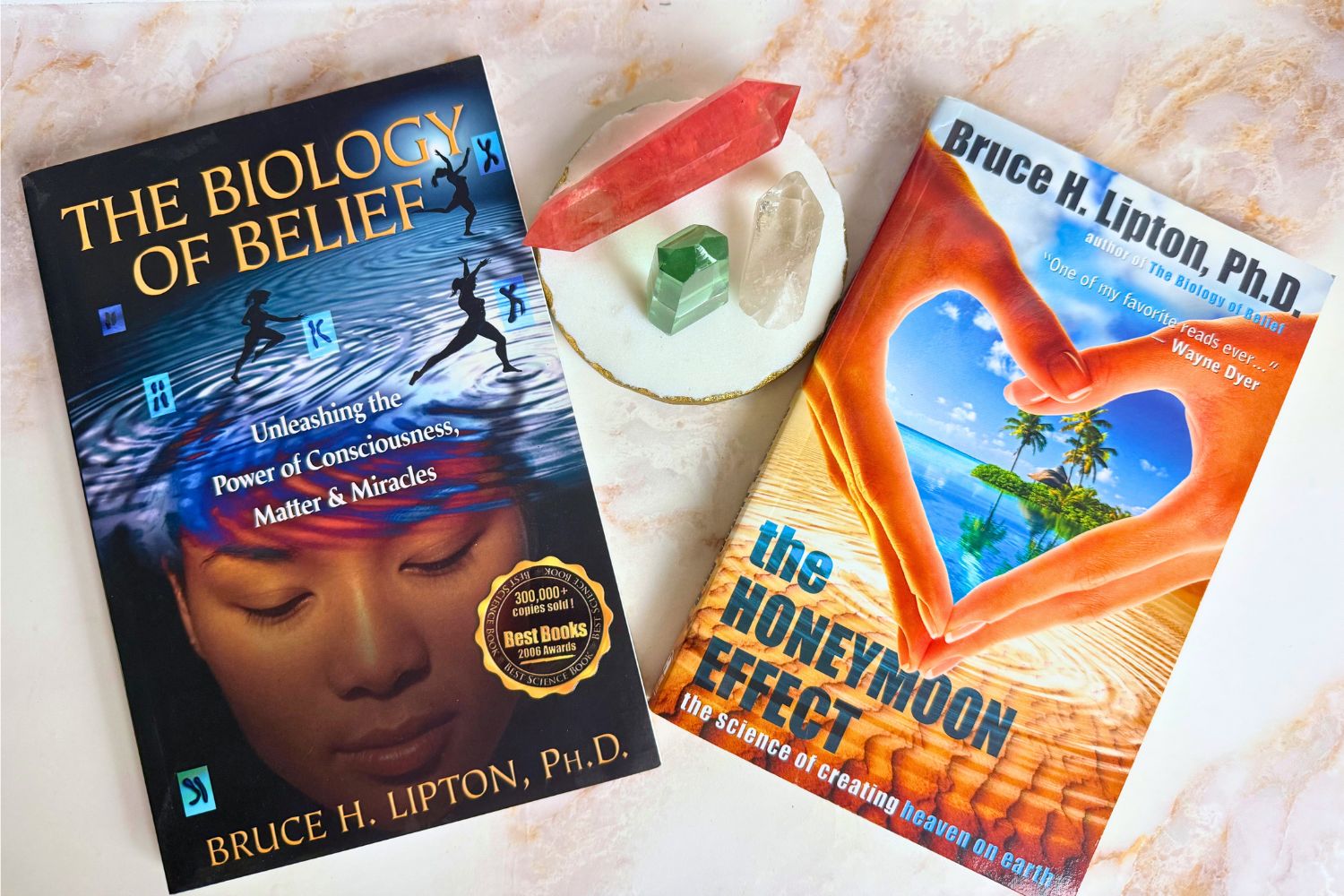
I hadn't healed myself yet. But I'd built a foundation. I understood insulin resistance, inflammation, fatty liver, what sugar and gluten and seed oils actually do inside the body. I understood that the environment around a cell influences the cell. I understood that belief is biology.
When that first specialist told us Scott was probably going to die, I didn't feel powerless. I felt terrified. But underneath the terror, some quiet part of me felt prepared. I already knew where to start.
That was not an accident. That was the thread.
The crash
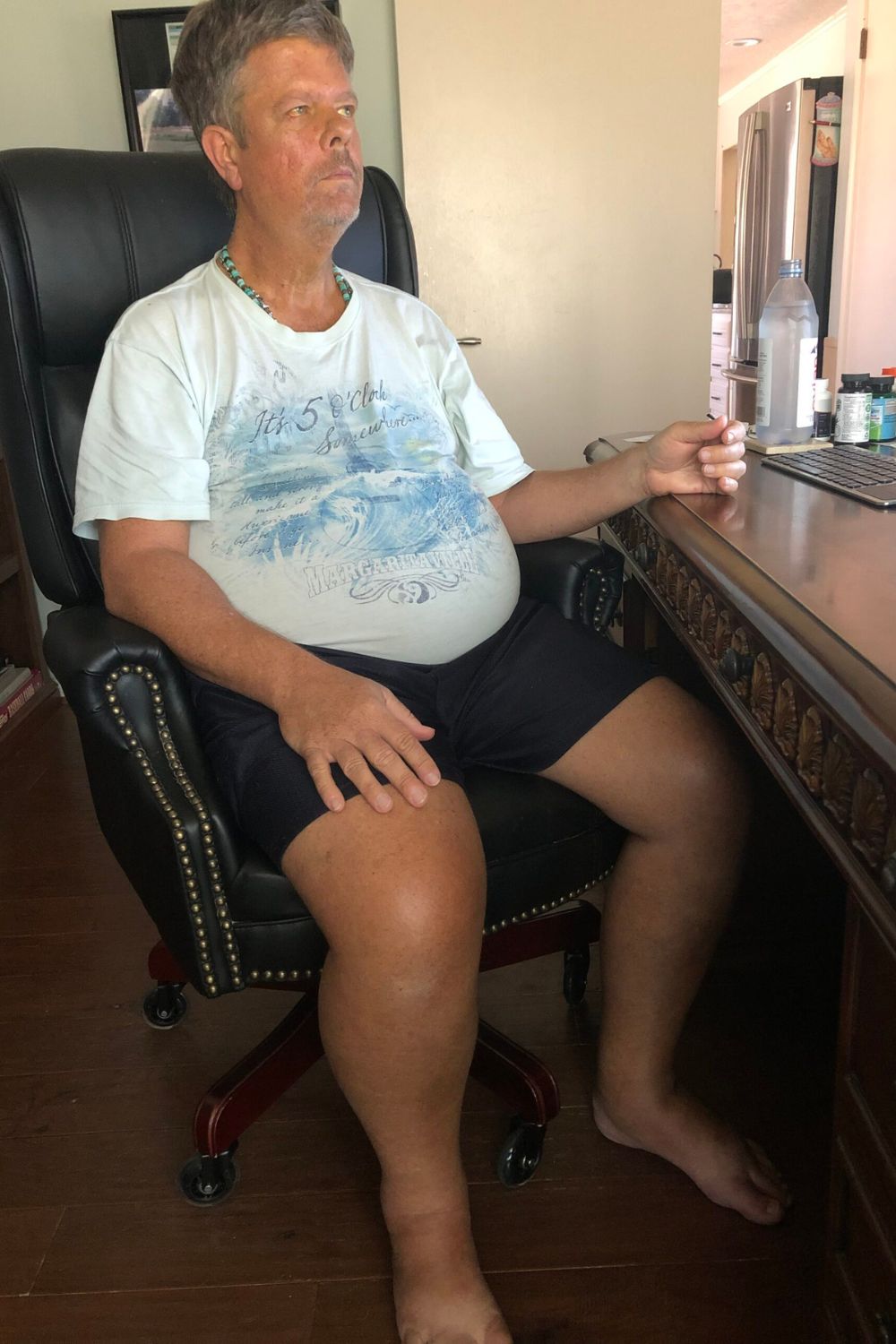
A deeply personal photo of Scott at his lowest point during liver failure, taken the week ascites and jaundice set in — before his recovery began.
About a week after the diagnosis, Scott's body crashed.
He went from walking around and talking normally to sleeping 18, sometimes 20 hours a day. He was barely lucid. He ate what I put in front of him and went back to sleep. To this day, he doesn't remember most of those first months.
And the weight of everything else fell on me.
Insurance fights. Prior authorizations. The MRIs and the scans and the lab orders. Every medical protocol. Every appointment that had to be booked, rescheduled, confirmed, followed up on. Every form signed, every portal logged into, every referral chased down. Both of our work projects still running. The house. Jack. Meals. And every spare hour, researching — supplements, protocols, specialists, stories of people who had survived what we were being told was unsurvivable.
I wasn't sleeping much. I was doing a lot of the holding.
There were days I couldn't hold it all. I cried in the bathtub more than once. I hid in the closet so Scott wouldn't hear me fall apart. There were nights I stared at the ceiling and wondered if I was fooling myself — if belief was just a story I was telling myself to keep walking.
Every time, I came back to the same place. Love. Belief. The possibility of miracles. Not because I was some spiritual warrior. Because it was the only path that didn't end in us giving up.
The choice
We didn't go back to the first specialist. We canceled the follow-up without hesitation.
And we made another choice most people don't expect: we didn't tell our families.
Not yet. Not at the beginning. We knew that fear has a frequency. Sadness has a frequency. The quiet collective weight of other people's grief, however loving, is still weight. We didn't want that energy around Scott while his body was trying to come back. We wanted the field around him to be hope, and nothing else.
That sounds like a spiritual choice. It was also a biological one. Dr. Bruce Lipton's work on the biology of belief makes the case that the signals our cells receive from the environment — including emotional environment — directly influence how they behave. We didn't want Scott's cells taking instructions from fear.
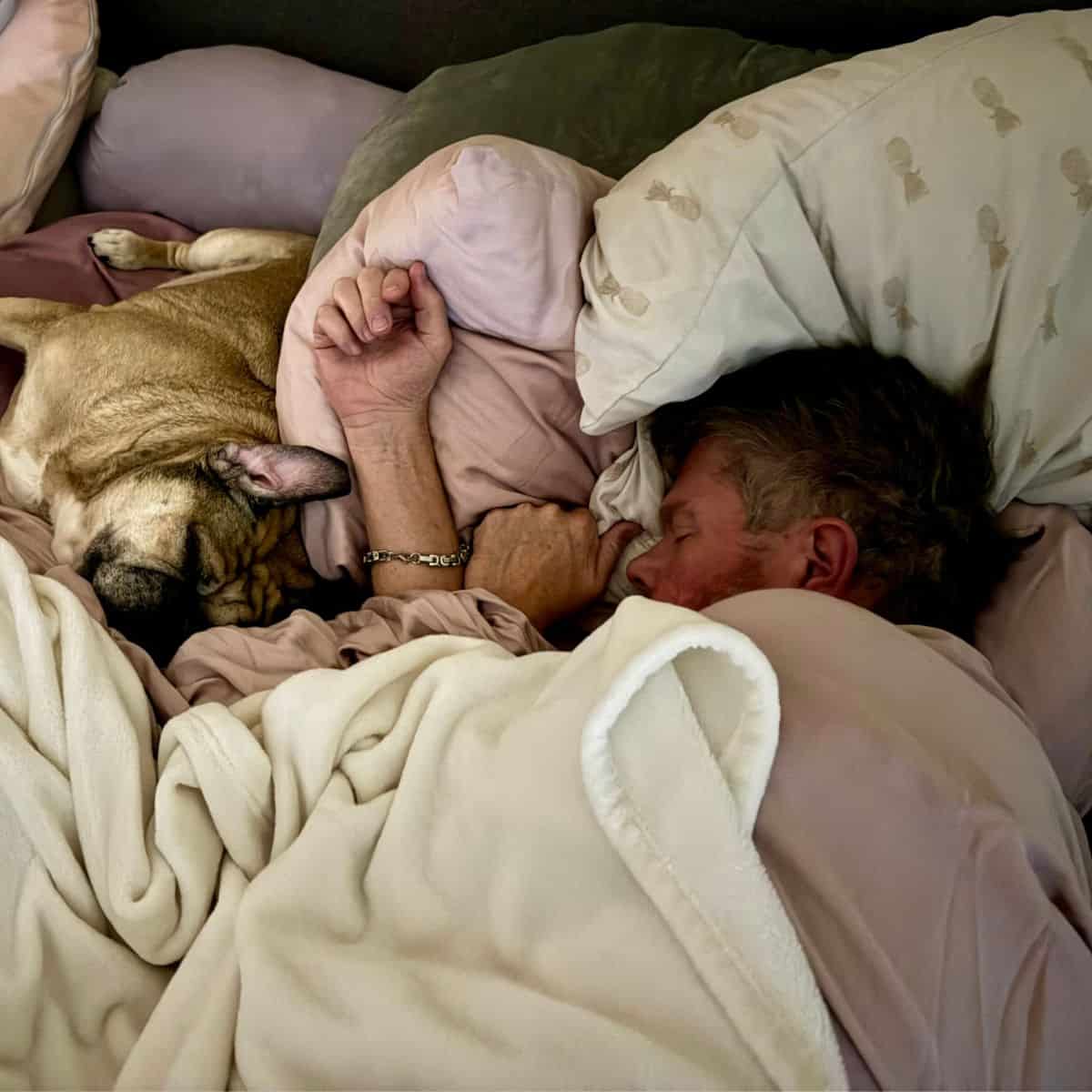
So we kept the circle small, the air calm, and the words intentional. We handled it the way we handle most hard things — together, quietly, with a pug at our feet.
What we actually did
Within 48 hours of the diagnosis, our pantry was different.
I went through every cabinet and pulled out the sugar, the gluten, the seed oils, the processed snacks, the sodas, the convenience foods. I returned what I could. I donated unopened things to a local women's shelter. The rest went in the trash. There was no easing into it. Scott's life was on the line, and he needed a clean slate.
Then I called an old friend.
I hadn't talked to Bobby in years, but he's one of those friends you can pick back up with like no time has passed. A decade earlier we had been coworkers, and we had spent hours in conversations about health, the body, and what it means to heal. In the years since, he had become Dr. Bobby Chukwu, a naturopathic doctor, and he worked with his mother Dr. Gracie Chukwu — a Doctor of Naturopathy and Certified Nutrition Counselor — at Houston Holistic Health Clinic.
I asked them if they could help, or if we should stay on the transplant path knowing our insurance likely wouldn't cover one. Dr. Bobby told me they had worked with patients with severe liver dysfunction before and had seen real success.
We booked immediately. It was one of the greatest blessings of our lives.
Dr. Bobby and Dr. Gracie built Scott a real protocol. Clean proteins. Anti-inflammatory fats. Targeted supplements for liver, kidney, and bile support. No sugar. No gluten. No junk. Even when Scott was too weak to travel, we kept going on Zoom.
Here is what I keep coming back to. Our first specialist had no plan beyond transplant — and was quick to say no to every supplement I asked him about. Dr. Bobby and Dr. Gracie had a real, specific, science-informed protocol ready within days. Scott still takes the core of that supplement protocol today, almost four years later. One office had a door that only opened to a transplant. The other had a protocol, a relationship, and hope.
We built an environment around him, too.
We wrote Love Gratitude Joy on our water bottles — a practice inspired by the work of Dr. Masaru Emoto, whose water crystal experiments showed that positive words shape the water they touch. Our bodies are mostly water. We thought about that every time we filled a glass.
And we practiced what we came to call gratitude prayer — thanking, out loud, for Scott's healing as though it had already happened. Not begging. Not pleading. Not asking why us. Thanking. Because our nervous systems don't know the difference between what is and what we deeply believe, and we wanted his body to feel that healing was the truth.
When the numbers started to move
Three months in, Scott's MELD score dropped from 26 to 19.
The first specialist had told us a drop like that was impossible without a transplant, hospitalization, or medical treatment for the underlying cause. We hadn't had any of those. We had only changed what went into Scott's body and what surrounded it.
By five months, his MELD was 16. His ascites had resolved. His color had come back. He was awake longer than he was asleep. He was, slowly, returning.
And this is an important part of the timeline, because people often assume the phlebotomies saved him. They didn't. Not yet.
Our appointment with the second liver specialist was a seven-month wait. Then the hemochromatosis testing itself, along with genetic confirmation and results, took almost another two months. Phlebotomies didn't start until close to two months after that. All told, it was roughly nine months from diagnosis before Scott had confirmation of what was actually wrong with him, and close to eleven months before any treatment for the iron overload itself even began.
📥Scott's Bloodwork Timeline MELD 26 to Excellent Liver Function
📊 View Scott’s Bloodwork Data
📄Download the Blank Bloodwork Tracker
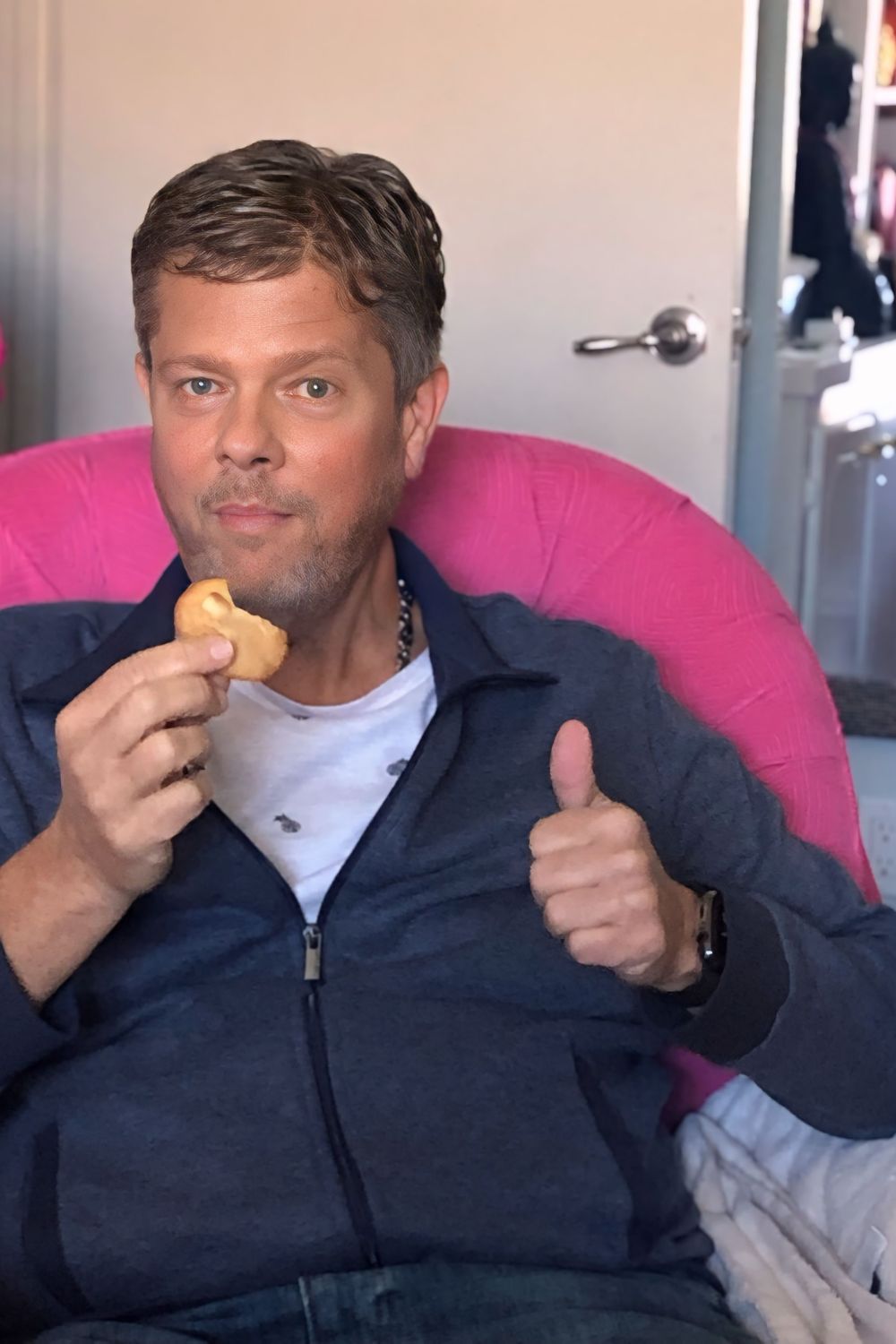
Six months in. No transplant. No phlebotomies. Just food, supplements, a prescribed diuretic, and fierce belief — and Scott's sweet tooth, fully intact.
Every bit of the improvement before that point came from food, supplements, mindset, and the environment we built around him. The numbers moved because his biology responded to what we were giving it. That is not a small detail. That is the whole story.
When we finally got in front of the second specialist, he looked at Scott's bloodwork for about five minutes. Then he looked up and said the words I will never forget:
"Your husband is not going to die."
He told us, within that same appointment, what I had suspected from the beginning. Scott likely had hereditary hemochromatosis. The first doctor had refused to order the test. The second one saw it immediately and ordered the testing that day.
By the time Scott finally began phlebotomies to bring his iron overload down, his MELD had already dropped from 26 to 16 — on food, supplements, and mindset alone. No transplant. No hospitalization. No medication for the underlying condition, because no one had yet confirmed what the underlying condition actually was. His ferritin, which had been around 1,400 at diagnosis, eventually came down to 119.
His MELD continued to fall. It eventually reached 8.
In December 2024, that same liver transplant specialist looked at Scott and told us he now had excellent liver function.
Those are not our words. That is what the specialist said.
While I was fighting for Scott, something was slowly shifting in me too
I wasn't the focus. Scott was. And honestly, in that first year, my own body didn't have the capacity to heal the way his did.
I lost about 25 pounds that first year. That's it. I was under crushing stress. I was running a medical operation, a home, and a career, and holding the emotional weight for both of us. Even eating clean, even cutting sugar and gluten and seed oils, my body wasn't letting go. My cortisol was too high. My nervous system was too loud.
The year after Scott's recovery was when my own breakthrough finally came.
I was exhausted and discouraged, and one night I remembered a woman I had seen online named Bella — the Steak and Butter Gal. She's a classically trained pianist out of Juilliard, and there was something about her — the way she carried herself, the radiance in her skin, the clear light in her eyes, the music she lived inside of. Scott and I have always loved music. It's woven through everything at Love Gratitude Joy. So when Bella talked about how her body had changed, I was already leaning in before she said the word butter. She had been vegan for years, like I had, and she had transformed her body by eating real food and, of all things, fat. Her honesty about coming from a vegan background, and her willingness to eat fat without fear, finally gave me permission to try something I had spent my whole adult life avoiding. I started listening to her. Then to Kelly Hogan at myzerocarblife — another woman who had quietly turned her body around on animal fat. Then to Dr. Elizabeth Bright and Dr. Boz, both of whom talk openly about how women, especially in midlife, need more fat, not less — to support hormones, mood, metabolism, and the body's ability to actually let weight go. Then to Rina Ahluwalia of The Primal Podcast, who explained how the body could shift from running on carbs to running on fat, and how fat could actually help emulsify fat in the body.
I also found Dr. Anthony Chaffee through Dr. Ken Berry's channel. His explanations of metabolic health, plants, and fat made so much sense to me that I joined his private community just to have a place to ask questions directly. I don't love Discord — I'd never used it before and it took me a minute to figure out — but I loved what he was teaching enough to deal with it.
It sounded crazy.
I was terrified of fat. So was Scott. We had both been raised in the low-fat era and then spent years in the food and supplement industries with the same messaging bouncing around us. But I had already tried three years of vegan. A 40-day juice fast. A 21-day water fast. I had tried everything else.
So I tried butter.
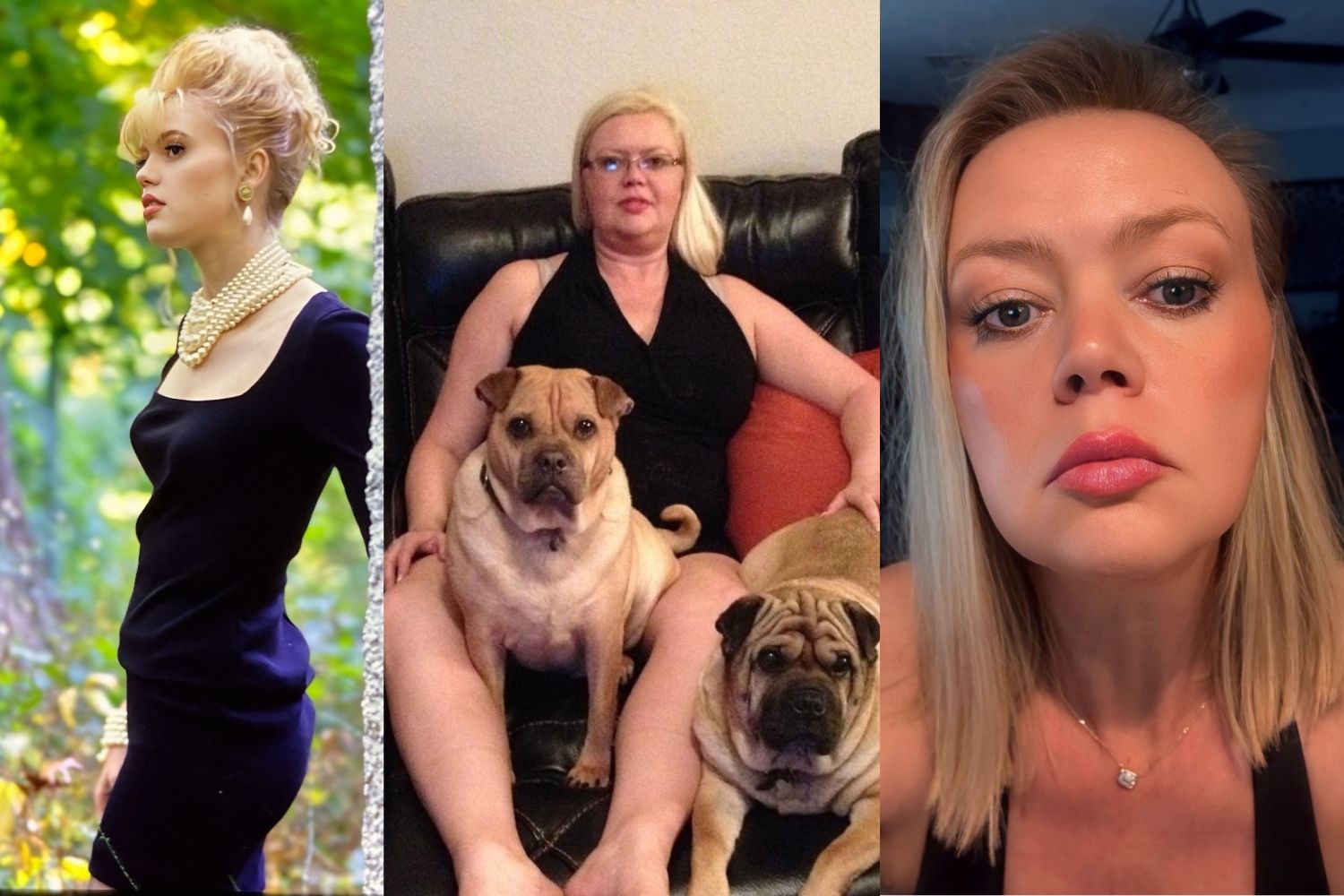
That was the year I lost the rest of the weight. Almost 80 pounds total.
The full story of that year — the fat fasting, the breakthroughs, the setbacks, what I was eating, what I was thinking, and how my bloodwork eventually told the truth of what had happened — lives in my Healing Journey series. But here's the short version, and it's one of the most important things we share at Love Gratitude Joy: Scott and I had different starting points that required different resets.
Scott's body responded almost immediately to clean, real food. No intermediate step. Food was the reset.
My body needed more. Years of chronic stress, inflammation, blood sugar crashes, and hormonal chaos had put me in a metabolic place where cutting carbs alone wasn't enough. I had to fat-fast first — to reset the underlying system — before my body would let go. Once I did, everything changed.
Even our maintained way of eating looks different between the two of us. I naturally landed close to carnivore, with very few carbs. Scott loves vegetables, so I kept low-glycemic veg in the mix for him. One day I came across the idea of eating for your blood type, and it was the first thing I had read that explained why we craved what we craved. My blood type needed less plant food. His needed more. Suddenly a thousand small disagreements about dinner made sense.
Both of us ended up in the same place: keto, low-carb, and gluten-free as a lifestyle. But the road in — and the daily plate — looks a little different. This is one of the reasons so much mainstream advice fails people. The same plan doesn't work for every body, and the difference between "this isn't working" and "I'm not there yet" is often just the order of operations.
Along with the weight, I reversed fatty liver, insulin resistance, hormonal imbalance, chronic fatigue, hypoglycemia, gallbladder issues, fascia tension, a tomato allergy, and gluten intolerance. Today, at 57, I feel better in this body than I did at 30.
Most of the women who taught me were — and are — full carnivore. I'm not. I knew from the beginning I'd never get Scott there. He craves salad. He'll eat a plate of green beans. Ask him about asparagus and watch his face. And honestly, if I had tried to push him to carnivore while his body was still healing, I would have lost him back to the old way of eating entirely — and his life was still on the line. I had to push as far as his body would go and still keep the food real enough that he'd actually stay with it. So I took what made sense for our life and built something sustainable for us — keto, low-carb, gluten-free, with low-glycemic vegetables on Scott's side of the plate. The information they shared was honest and brave, and I'm grateful for every episode, every post, every late-night video that helped me finally understand my own body.
You have to be your own advocate
If there is one thing this experience burned into us, it is this.
No title is above your instincts. No specialist is above the test you know should be ordered. No plan is above the question you've been afraid to ask. You have to research. You have to prepare. You have to walk into appointments with notes and questions and the willingness to disagree respectfully out loud.
The first doctor was certain. He was also wrong about the cause, wrong about the test he refused, and wrong about what was possible. If we had accepted his certainty, Scott would not be here.
We believe in good medicine. The second specialist is part of our story for exactly that reason. But good medicine works best when the patient — and the people who love them — are in the room as full participants, not passengers.
Protect your hope. Trust your instincts. Ask for the test.
Why we built Love Gratitude Joy
Once Scott was clearly getting better, people started asking.
Friends. Family. Neighbors. What are you eating? What are you taking? How did you do it? Can you share the recipe? My sister was just diagnosed with fatty liver — can I send her to you?
For a while I just wrote long, detailed emails. Each one took at least an hour, usually more. Every one of them was worth it because someone I loved was scared. But after enough of those emails, Scott started saying something I was not ready to hear.
You should start a blog. And a YouTube channel. You could help so many more people than one email at a time.
I said no. Honestly, I said no more than once. I didn't want to be a content creator. I wanted to take care of my husband and cook good food and sit quietly with Jack on the couch.
But Scott kept pushing. Not in a pushy way — in the steady way he pushes when he knows something matters. Eventually I told him yes, with one condition. Only if you do it with me.
He said yes.
Love Gratitude Joy is the place we put all of it. Together.
It's recipes we actually eat. Our full healing story, in both of our voices. Posts about Jack — who is 14 this year and is still, officially, the supervisor of this household. And a running list of the small things that keep us grateful, because gratitude is part of the protocol, not decoration.
If you are here because something in your life just cracked open, welcome. If you are newly diagnosed, or loving someone who is, or just tired of feeling like your body is working against you — you are not alone. Your story isn't over. The body is listening. And joy, it turns out, is medicine.
This is our lived experience, not medical advice. Please consult your own qualified professional.
With love from our family to yours,
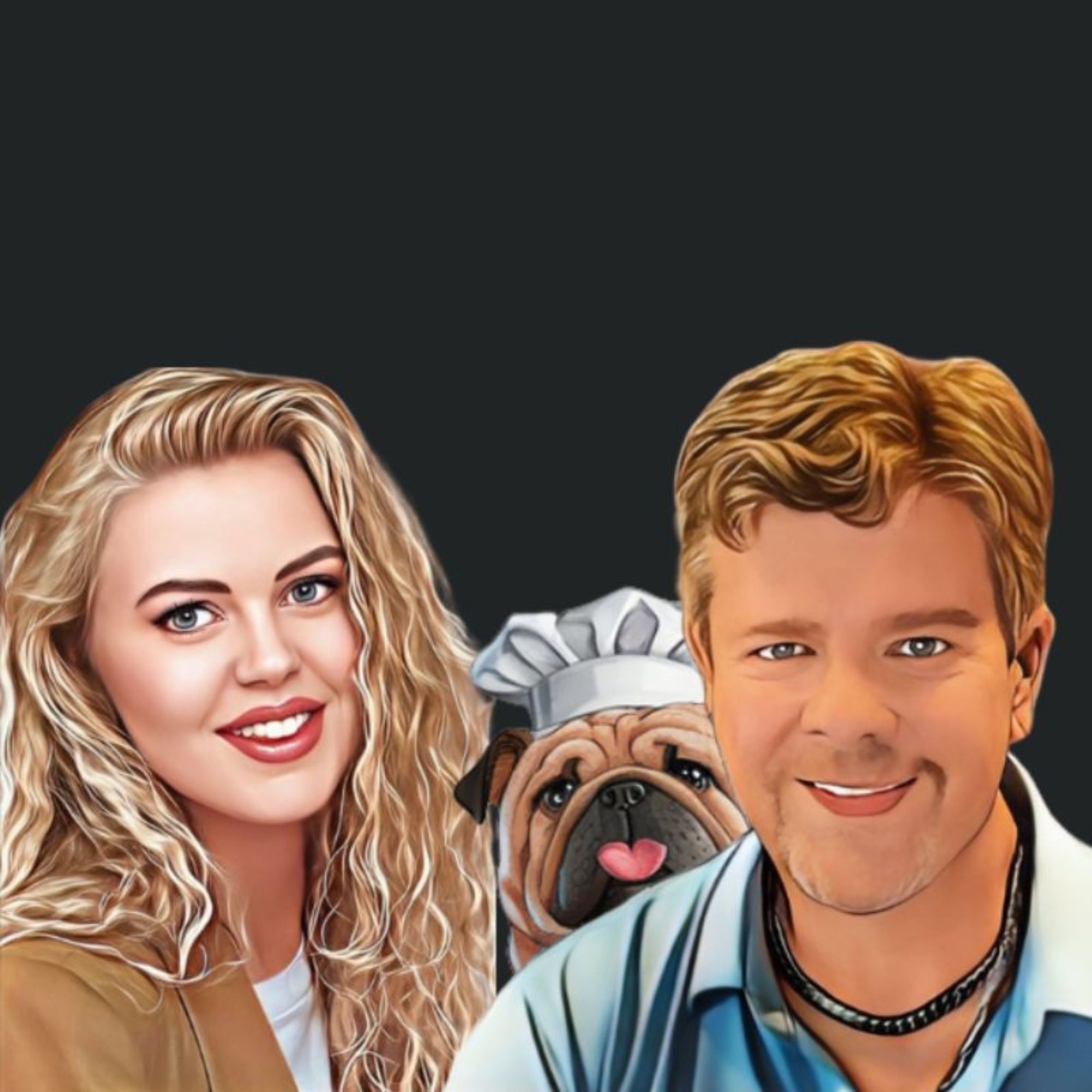
Kristy, Scott, and Jack 🐾